
| Raj Kapoor | Digital Marketing
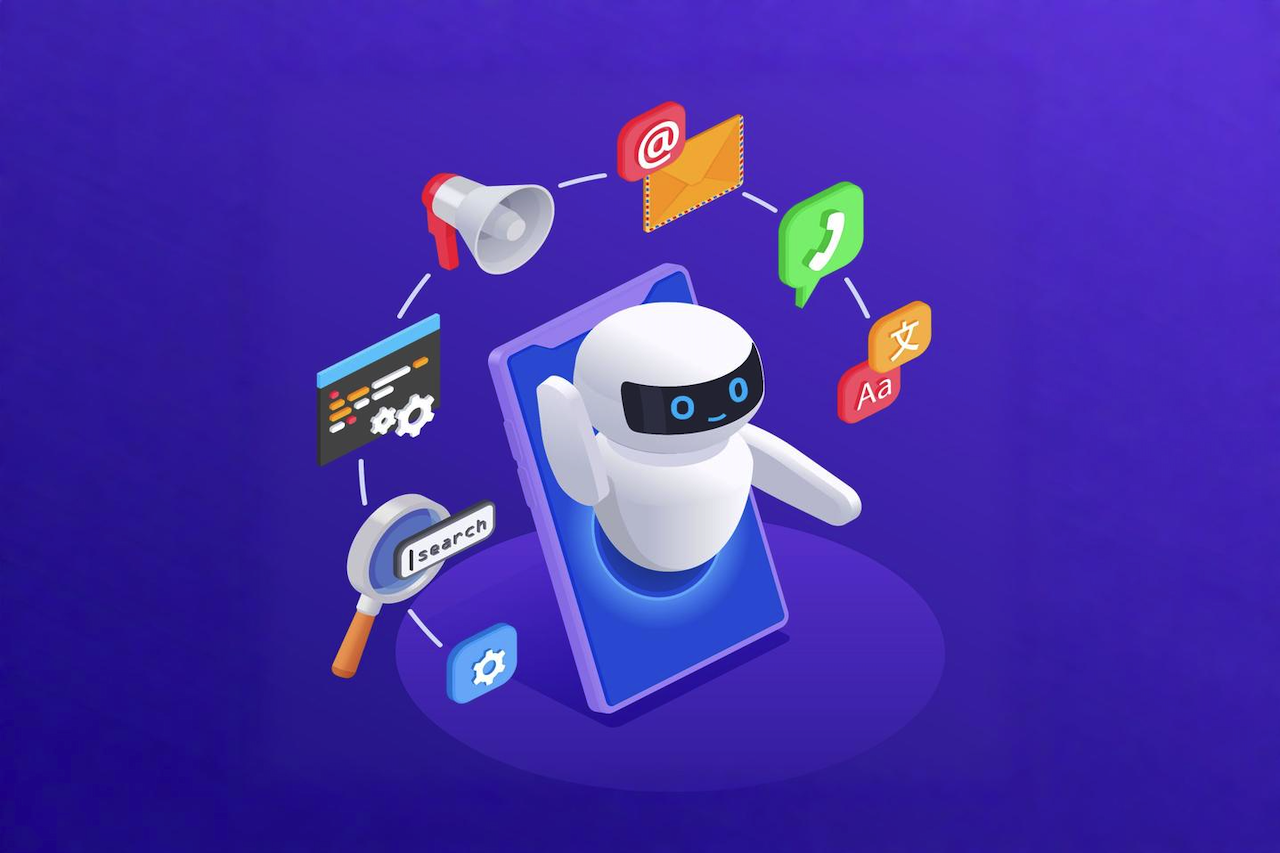
Artificial intelligence (AI) is no longer a futuristic concept; it has become an essential part of modern digital marketing. From personalized customer experiences to predictive analytics and automated content creation, AI is transforming how businesses connect with their audiences. Companies of all sizes are leveraging AI-powered tools to improve efficiency, optimize campaigns, and make smarter marketing decisions.
As search engines, social media platforms, and consumer behaviors continue to evolve, marketers who embrace AI gain a competitive advantage. Rather than replacing human creativity, AI enhances it by automating repetitive tasks, uncovering valuable insights, and helping businesses deliver more relevant experiences.
Why Businesses Are Adopting AI in Digital Marketing
Businesses today generate enormous amounts of customer data through websites, social media, email campaigns, and online advertisements. Processing this information manually is both time-consuming and inefficient.
The growing availability of AI platforms has also made advanced marketing technologies accessible to startups, small businesses, and large enterprises alike. To truly understand how this technology works, businesses should look closely at how AI in digital marketing can scale their operations.
The growing availability of AI platforms has also made advanced marketing technologies accessible to startups, small businesses, and large enterprises alike.
What Is AI in Digital Marketing?
Artificial intelligence in digital marketing refers to the use of machine learning, natural language processing, predictive analytics, and automation technologies to improve marketing performance.
Instead of relying solely on manual analysis, AI systems process massive amounts of customer data, recognize patterns, predict user behavior, and recommend marketing actions in real time.
These technologies help businesses:
- Analyze customer behavior
- Automate repetitive marketing tasks
- Personalize user experiences
- Optimize advertising campaigns
- Improve customer engagement
- Generate actionable insights
The result is more efficient marketing with better outcomes.
1. AI Improves Customer Personalization
Personalization has become one of the biggest drivers of online conversions.
Today's customers expect businesses to understand their interests and provide relevant recommendations. AI analyzes browsing history, purchasing habits, demographics, and online behavior to deliver personalized experiences.
Examples include:
- Personalized product recommendations
- Customized email campaigns
- Individualized website experiences
- Dynamic content suggestions
Streaming platforms, e-commerce websites, and online retailers already rely heavily on AI personalization to increase customer satisfaction and sales.
2. Smarter Content Creation
Creating high-quality content consistently requires significant time and effort.
AI assists marketers by helping with:
- Content research
- Blog outlines
- Social media captions
- Email subject lines
- SEO optimization
- Keyword suggestions
Rather than replacing content writers, AI accelerates the content creation process while allowing marketers to focus on strategy, originality, and brand messaging.
Human review remains essential to ensure accuracy, authenticity, and quality.
3. AI Enhances Search Engine Optimization (SEO)
Search engine optimization has become increasingly data-driven.
AI tools help marketers:
- Identify keyword opportunities
- Analyze competitors
- Detect technical SEO issues
- Optimize on-page content
- Improve internal linking
- Predict ranking opportunities
Modern search engines also use artificial intelligence to understand better user intent rather than simply matching keywords.
Because of this, marketers must focus on creating valuable, user-focused content instead of relying on outdated SEO techniques.
4. Better Advertising Performance
Paid advertising platforms increasingly rely on artificial intelligence.
AI helps optimize campaigns by:
- Automatically adjusting bids
- Identifying high-performing audiences
- Improving conversion rates
- Allocating budgets efficiently
- Testing multiple ad variations
Instead of manually managing every campaign detail, marketers can use AI recommendations to improve advertising performance while reducing wasted spending.
This allows businesses to achieve stronger returns on their advertising investments.
5. Predictive Analytics for Better Decisions
One of AI's greatest strengths is its ability to predict future customer behavior.
Using historical data, AI can estimate:
- Purchase likelihood
- Customer lifetime value
- Churn probability
- Seasonal demand
- Lead quality
- Campaign performance
Predictive analytics enables marketers to focus their resources where they are most likely to generate results.
Instead of reacting to market changes, businesses can proactively plan their marketing strategies.
6. AI-Powered Chatbots Improve Customer Service
Customer expectations for fast responses continue to increase.
AI chatbots provide:
- Instant responses
- 24/7 customer support
- Product recommendations
- Appointment scheduling
- Frequently asked questions
- Lead qualification
Modern AI chatbots understand conversational language better than previous generations and can resolve many customer inquiries without human intervention.
This improves customer satisfaction while reducing operational costs.
7. Email Marketing Becomes More Effective
Email marketing remains one of the highest-return digital marketing channels.
AI improves email campaigns by analyzing subscriber behavior and automatically optimizing:
- Subject lines
- Send times
- Audience segmentation
- Personalized recommendations
- Content variations
Instead of sending identical emails to every subscriber, businesses can deliver messages tailored to individual interests.
Higher personalization typically leads to better open rates, click-through rates, and conversions.
8. Social Media Marketing Gets Smarter
Managing multiple social media platforms requires constant monitoring.
AI assists marketers by:
- Scheduling content
- Identifying trending topics
- Monitoring audience sentiment
- Recommending hashtags
- Measuring engagement
- Tracking competitor activity
Some AI tools also analyze which content formats generate the highest engagement, helping marketers refine their social media strategies.
9. Faster Data Analysis
Marketing success depends on accurate data analysis.
Instead of spending hours reviewing spreadsheets, AI processes thousands of data points within seconds.
It identifies:
- Customer trends
- Campaign performance
- Website behavior
- Conversion bottlenecks
- Audience preferences
This enables marketing teams to make informed decisions much faster than traditional reporting methods.
10. Improved Marketing Automation
Automation has become a cornerstone of modern digital marketing.
AI expands automation beyond simple scheduled tasks by making intelligent decisions based on user behavior.
Examples include:
- Automated lead nurturing
- Dynamic website personalization
- Customer segmentation
- Behavioral email sequences
- Personalized offers
- CRM automation
Businesses save time while delivering more relevant experiences to their customers.
Challenges of Using AI in Digital Marketing
Although AI offers numerous advantages, it also presents several challenges.
- Data Privacy: Businesses must comply with privacy regulations while collecting and processing customer information responsibly.
- Human Oversight: AI-generated content and recommendations still require human review to maintain quality, accuracy, and brand consistency.
- Learning Curve: Marketing teams need training to effectively implement AI technologies and interpret AI-generated insights.
- Ethical Considerations: Businesses should use AI transparently and avoid misleading or manipulative marketing practices.
Best Practices for Using AI Successfully
To maximize the benefits of AI, businesses should:
- Use AI to support, not replace, human creativity.
- Continuously monitor campaign performance.
- Prioritize high-quality, original content.
- Combine AI insights with customer feedback.
- Protect customer privacy and data.
- Stay updated with evolving AI technologies.
- Test and refine AI-generated recommendations regularly.
A balanced approach allows businesses to benefit from automation while maintaining authentic customer relationships.
The Future of AI in Digital Marketing
Artificial intelligence will continue to evolve rapidly over the coming years.
Emerging technologies such as generative AI, predictive customer journeys, voice search optimization, visual search, and advanced personalization will reshape how businesses market their products and services.
As AI capabilities improve, marketers will spend less time on repetitive tasks and more time developing creative campaigns, building customer relationships, and driving long-term business growth.
Organizations that embrace AI responsibly while maintaining a strong focus on human expertise will be better positioned to adapt to future changes in consumer behavior and digital technology.
Conclusion
Artificial intelligence is fundamentally changing digital marketing by making campaigns smarter, faster, and more personalized. From content creation and SEO to customer service and predictive analytics, AI empowers businesses to improve efficiency while delivering better customer experiences.
However, AI should be viewed as a powerful tool rather than a complete replacement for human marketers. The most successful digital marketing strategies combine AI-driven insights with creativity, strategic thinking, and a deep understanding of customer needs.
Businesses that invest in AI today will be better equipped to compete in an increasingly data-driven digital landscape, making artificial intelligence one of the most valuable innovations shaping the future of marketing.
Author

Raj Kapoor
0 Comments
Comments are moderated to keep the discussion useful and respectful. Spam, automated submissions, and low-value promotional comments are removed.
Leave a Comment